Evaluate a Regulated Autologous Cell-Source Program for Your Clinic.
Partner with Renagen to evaluate a phased, non-invasive autologous workflow in coordination with qualified clinical, scientific, and regulatory partners. Designed for clinics exploring documentation, traceability, quality systems, and biobanking readiness before any patient-facing implementation.
Request Strategic Partner Call- Non-invasive source pathway
- SOP framework under review
- Phased feasibility model

Pre-Operational. Feasibility Review in Progress.
Renagen is currently in regulatory and technical feasibility review. We are engaging qualified legal, scientific, and clinical partners to determine the appropriate pathway before any patient-facing implementation. Renagen is pre-operational and is not currently operating a clinic, laboratory, biobank, treatment program, clinical site, or patient-facing service.
Evaluate the system before implementation. Your clinical team retains medical authority.
Renagen is not a clinic and does not provide medical advice, diagnosis, treatment, or patient care. Renagen is evaluating a structured autologous workflow model for qualified clinical partners, with emphasis on documentation, traceability, quality systems, technical feasibility, and biobanking readiness. Any future clinical use would require applicable regulatory review, partner-site validation, physician oversight, informed consent, and required approvals.

Partner-Site Feasibility
A phased feasibility pathway designed to evaluate whether a qualified partner site could support the required workflow, documentation, infrastructure, and regulatory conditions.
SOP Framework Under Review
A structured SOP framework designed for partner-site validation and regulatory review. Collection, handling, isolation, possible expansion, quality documentation, and traceability would require applicable authorization and validation before implementation.
Quality and Traceability
Documentation-first design for chain of custody, batch records, traceability, and quality verification, subject to partner-site validation, applicable regulation, and any required approvals.
Technical Support Model
Renagen is evaluating technical-support models that may include training, documentation, workflow design, and quality-system support for qualified partners, subject to regulatory review and site-specific authorization.
Supported by an emerging body of peer-reviewed research. Clinical translation remains under evaluation and would require appropriate regulatory, scientific, ethical, and clinical review.
Why Clinics Partner With Renagen
A structured pathway for clinics exploring differentiated autologous infrastructure, biobanking readiness, documentation, and future regulated innovation.

Explore a Differentiated Infrastructure Line
Evaluate whether a non-invasive autologous cell-source workflow could support future differentiated services, subject to regulatory review, partner-site validation, and clinical authorization.
Biobanking Readiness
Biobanking may support long-term patient relationships where legally, ethically, scientifically, and clinically appropriate. Any storage model would require consent, traceability, quality systems, and applicable authorization.
Lower Early-Capital Burden
Renagen's phased feasibility model is designed to limit unnecessary early investment before regulatory classification, site readiness, technical feasibility, and partner requirements are understood.
Selective Partner Positioning
Renagen expects to work selectively with qualified clinical partners that meet regulatory, operational, documentation, and quality-readiness standards.
| Traditional Model | Renagen Model | |
|---|---|---|
| Revenue model | One-time per visit | Potential biobanking relationship, subject to legal and ethical review |
| Upfront investment | Requires infrastructure commitment | Phased feasibility before major infrastructure investment |
| Technical support | You hire and train | Technical support model under evaluation |
| Collection | Invasive procedure | Non-invasive source pathway under evaluation |
| Protocol support | Full internal responsibility | Coordinated with qualified scientific and regulatory partners |
| Partner selectivity | None | Selective partner positioning |
From initial review to phased feasibility.
Renagen coordinates a structured feasibility process with qualified clinical, scientific, and regulatory partners. Timeline subject to regulatory review, partner readiness, technical validation, site requirements, and applicable approvals.

Regulatory and Partner Readiness Review
We assess regulatory pathway, partner clinic profile, available space, documentation readiness, and whether the region and site meet initial feasibility criteria.
Workflow and Documentation Design
A structured SOP framework and documentation approach is designed for partner-site review, regulatory evaluation, and quality-system alignment.
Technical Feasibility and Site Validation
Equipment, workflow, traceability, quality systems, and site infrastructure are evaluated before any patient-facing implementation.
Biobanking Readiness, Where Authorized
Where legally, ethically, scientifically, and clinically appropriate, biobanking readiness is evaluated as a long-term patient relationship model.
Phased. Documented. Non-invasive.
The workflow is designed in coordination with qualified clinical, scientific, and regulatory partners. Any future patient-facing implementation requires applicable regulatory review, physician oversight, partner-site authorization, informed consent, and required approvals. Your team retains full clinical authority.
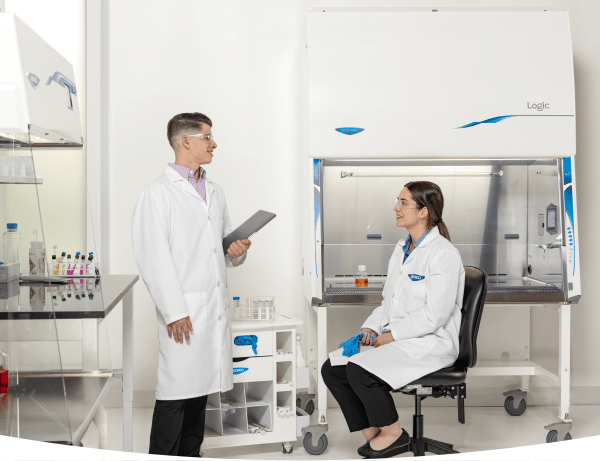
Non-Invasive Source Collection
A non-invasive urine collection pathway is under evaluation as a potential autologous cell source. Any future collection in a clinical setting would require physician oversight, informed consent, and applicable regulatory review.
Handling and Isolation
A structured handling and isolation SOP framework is under design and review. Any downstream processing would require applicable authorization, validated protocols, and partner-site quality systems.
Quality Documentation
Cell count, viability, sterility, and documentation requirements are under framework design, subject to partner-site validation, applicable regulation, and required approvals.
Future Physician-Directed Use
Any future clinical use is exclusively physician-directed. All clinical decisions remain with the medical team. Implementation requires applicable regulatory review, ethics review where required, informed consent, and required approvals.
| Feature | Traditional Sources | Renagen System |
|---|---|---|
| Collection | Invasive procedure | Non-invasive source pathway under evaluation |
| Patient burden | Moderate | Under evaluation for qualified partner-site model |
| Setup | Dedicated surgical environment | Subject to site validation and regulatory review |
| Workflow location | External lab | Evaluated for qualified partner-site integration |
| Scalability | Limited by procedure capacity | Subject to technical and regulatory feasibility review |
Biobanking Readiness for Qualified Clinical Partners.
Biobanking may support long-term patient relationships where legally, ethically, scientifically, and clinically appropriate. Any future biobanking model would require appropriate consent, documentation, traceability, storage protocols, quality systems, and applicable regulatory review.
Renagen is evaluating biobanking infrastructure design as part of its pre-operational feasibility work. Any future implementation would require partner-site validation, applicable authorization, physician oversight, and required approvals.
Discuss Feasibility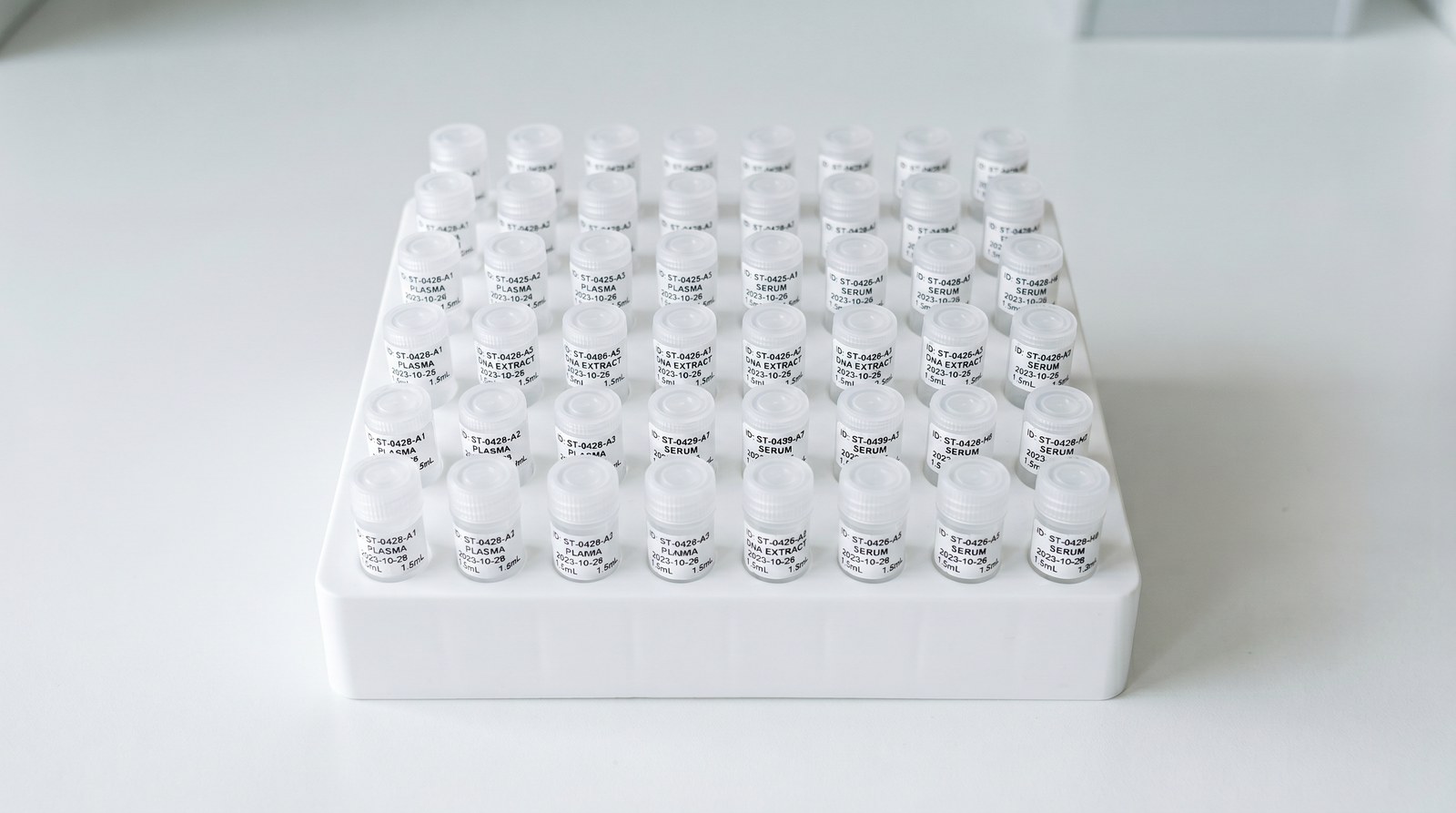
Begin with a structured feasibility review. Before any patient-facing implementation.
The first phase is not a treatment launch. It is a structured feasibility review designed to evaluate regulatory pathway, partner-site readiness, documentation, technical requirements, quality-system needs, and potential biobanking models before any patient-facing implementation.
- Regulatory and partner readiness review
- Workflow and documentation framework design
- Technical feasibility and site validation
- Biobanking readiness evaluation, where authorized
- Timeline subject to regulatory, technical, and partner requirements
Renagen is engaging a selective number of qualified clinical, scientific, and regulatory partners. Exploratory conversations are by invitation only.
Explore Partner Readiness
What Renagen Does Not Do
- Renagen does not operate as a clinic.
- Renagen does not treat patients.
- Renagen does not sell cellular products.
- Renagen does not provide medical advice or diagnosis.
- Renagen does not make therapeutic claims.
- Renagen does not claim that urine-derived cells are approved to diagnose, treat, cure, or prevent any disease.
- Renagen does not implement clinical use without applicable regulatory review, physician oversight, partner-site authorization, informed consent, quality validation, and any required approvals.
Is your clinic a qualified partner candidate?
We are currently reviewing a limited number of clinics for exploratory partnership conversations in Mexico, Panama, Colombia, and select LATAM markets. Engagement is subject to regulatory, operational, documentation, and quality-readiness standards.
Requirements
- Private clinic or hospital with active patient flow
- Interest in regulated autologous infrastructure and documentation readiness
- 25 to 40 m2 of potentially available space
- Physician willing to engage in feasibility review